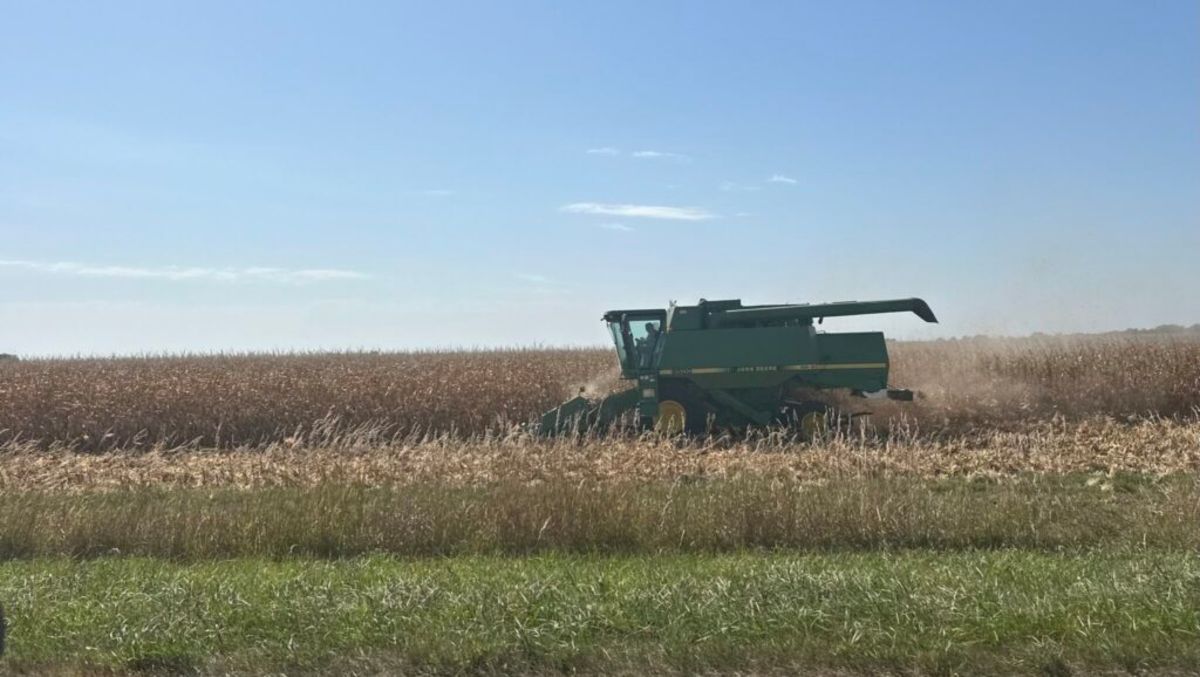
For Joe Stimmell, a lifelong resident of Ashland County who has spent over two decades farming corn, soybeans, and cattle alongside his family, the current economic climate feels less like a boom and more like a breaking point. Despite surviving the Great Recession and a global pandemic, Stimmell says the pressure currently facing Ohio farmers is unlike anything he has ever experienced. While political figures such as Senator Jon Husted and Congressman Max Miller describe the economy as thriving, Stimmell argues that they are operating in a different reality than the working people who are struggling to stay afloat.
The frustration stems largely from foreign policy decisions that ripple directly into the rural heartland. Stimmell points to record high diesel prices and skyrocketing gas costs as direct consequences of continued military involvement in Iran. He recalls a chaotic spring morning when he and his brother headed to a local co-op only to find fertilizer prices spiraling toward 850 dollars a ton following an escalation in conflict. For producers trying to plan for next season, these volatile shifts make survival feel like a game of chance rather than a business strategy.
Beyond fuel and fertilizer, the agricultural sector is reeling from trade policies and market interference. In the livestock industry, increased beef imports have triggered a sharp decline in value for both live and fat cattle, erasing significant percentages of profit for producers without lowering costs for consumers at the grocery store. This squeeze creates a dangerous cycle where American farms become less competitive while households continue to face rising food prices due to broader inflation fueled by tariffs and healthcare cuts.
Ultimately, Stimmell believes there is a profound disconnect between the millionaires governing in Washington and the citizens paying their bills in Ohio. From financing groceries to making agonizing choices between crop types just to manage input costs, many families are feeling an insecurity that doesn’t show up on official government reports. The plea from the fields of Ashland County is simple: Ohio needs representatives who prioritize the stability of homegrown industries over geopolitical interests before more family farms are pushed under.